Why Does a Lawn Become Thin?
Lawns change over time.
Even grass that looked thick several years ago can gradually lose density as it deals with weather, foot traffic, weeds, pests, watering issues, and other stresses.
Common reasons lawns develop thin or bare areas include:
- Heavy foot traffic
- Seasonal weather stress
- Inconsistent watering
- Weed competition
- Lawn pest activity
- Soil compaction
- Pet activity
- General turf decline
- Areas that haven't recovered from previous damage
The important part is figuring out why the grass became thin.
Simply spreading seed over an unresolved problem may not produce the results you're hoping for.
Professional
lawn care in Idaho Falls can help evaluate the existing turf before determining whether overseeding makes sense.
What Exactly Is Lawn Overseeding?
Overseeding means adding new grass seed to an existing lawn rather than removing all of the current grass.
The objective is straightforward: establish new grass in areas where the existing turf has become thin.
This makes
grass overseeding in Idaho Falls useful for lawns that still have established grass but need help becoming denser.
Instead of rebuilding the entire yard, you're improving what is already there.
As the new grass establishes, it can help fill gaps and create a more consistent appearance across the property.
How Do You Know If Your Lawn Needs Overseeding?
A few isolated bare spots don't necessarily mean your entire lawn needs to be overseeded.
Look at the lawn as a whole.
Overseeding may be worth considering when:
- Grass looks thin across large sections
- Bare spots keep appearing
- The lawn looks uneven even after fertilization
- Weeds are taking advantage of open areas
- Heavily used sections aren't recovering
- The turf has gradually lost density
- You want to improve an established lawn without starting over
If you're unsure, a
lawn care expert in Idaho Falls, ID can evaluate whether overseeding, fertilization, weed control, or another treatment would better address the problem.
Overseeding and Fertilizing Aren't the Same Thing
It's easy to confuse these two lawn services because both can support a healthier-looking yard.
But they serve different purposes.
Fertilizer supplies nutrients that support the grass that's already growing.
Overseeding adds new grass plants.
If your lawn has adequate grass but lacks healthy growth or color, fertilization may be part of the solution.
If there simply isn't enough grass growing in certain areas, fertilizer alone can't create new grass plants where none exist.
Some lawns may benefit from both services as part of a broader lawn care plan.
Can Overseeding Help With Bare Spots?
Yes, depending on why those spots are bare.
If grass was damaged and the underlying conditions can support new growth, overseeding may help restore those areas.
However, seed won't solve every lawn problem.
For example, if a section remains bare because of another unresolved issue, adding more seed without addressing the cause may lead to the same result.
That's why professional
lawn repair in Idaho Falls should begin by looking at the condition of the property rather than automatically spreading seed everywhere.
A Thicker Lawn Can Help Compete With Weeds
Weeds love opportunities.
When grass becomes sparse, open areas give unwanted plants more room to establish themselves.
A denser lawn leaves less available space.
That's one reason overseeding can complement a broader
weed control program in Idaho Falls.
It doesn't replace weed treatment, but improving turf density can be part of a longer-term strategy for maintaining a stronger lawn.
Instead of focusing exclusively on killing weeds, you're also improving the grass you actually want to keep.
Why Seed Selection Matters
Not every grass seed is equally suited to every property.
Climate, sun exposure, existing turf, irrigation, and how the lawn is used can influence which seed makes sense.
This is particularly important in Idaho, where lawns experience significant seasonal changes.
The goal isn't simply to choose whatever bag of seed happens to be available.
Professional overseeding can use grass varieties selected to work with local growing conditions and blend with the existing lawn.
That helps create a more consistent result rather than introducing grass that looks noticeably different from the surrounding turf.
Does Grass Seed Need More Water?
Newly planted grass seed has different moisture needs than an established lawn.
Allowing seed to dry out during germination can interfere with establishment.
At the same time, flooding the lawn isn't the answer.
After
lawn overseeding in Idaho Falls, follow the watering instructions provided for your specific lawn and seed.
As seedlings become established, watering practices can gradually transition toward what the mature lawn needs.
This early period is important. The work doesn't end when the seed reaches the ground.
Should You Stay Off a Newly Overseeded Lawn?
Reducing unnecessary traffic can give young grass a better opportunity to establish.
That may mean temporarily keeping children, pets, or frequent foot traffic away from newly seeded areas when practical.
Young grass is more vulnerable than established turf.
If one section of the yard receives constant traffic, consider whether people or pets can use another route while new growth becomes established.
Don't Mow New Grass Too Soon
It can be tempting to mow as soon as new grass becomes visible, especially if the older grass around it is getting tall.
Give the seedlings time to establish.
Follow the mowing recommendations provided after your overseeding service rather than automatically returning to your normal schedule.
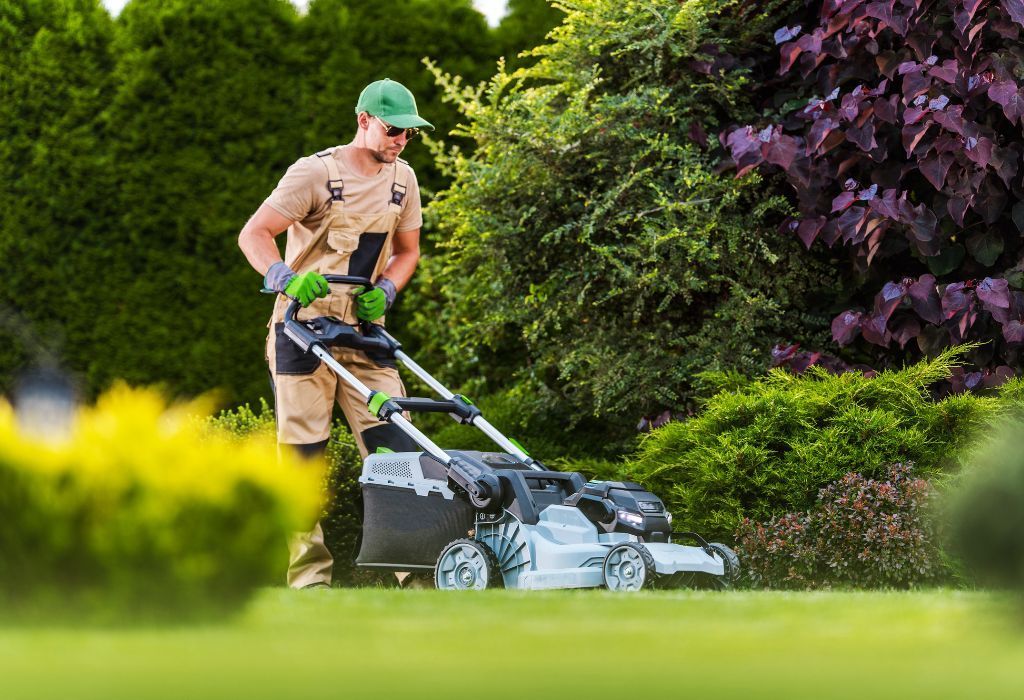
When mowing does resume, properly maintained mower blades can also help produce cleaner cuts instead of tearing young grass.
When Is the Best Time to Overseed in Idaho Falls?
Timing can influence how successfully grass seed establishes.
Temperature, moisture, expected weather, and the type of grass being used all matter.
Instead of choosing an arbitrary date because your lawn looks thin, plan overseeding around conditions that support germination and early growth.
A local
Idaho Falls lawn care company can recommend timing based on the lawn and seasonal conditions.
This is another reason a locally planned approach can be more useful than following generic lawn advice written for a completely different climate.
Overseeding Works Best as Part of a Lawn Care Plan
Overseeding shouldn't always be treated as a standalone fix.
If the lawn is struggling because of weeds, inadequate nutrients, pests, or another ongoing problem, those concerns may also need attention.
A more complete lawn care strategy might include:
- Overseeding
- Fertilization
- Weed control
- Appropriate watering
- Proper mowing
- Lawn pest management
- Seasonal monitoring
The exact combination depends on what's happening in your yard.
The goal is to create conditions where new grass can establish and existing turf can continue growing.
Lawn Overseeding for Idaho Falls Properties
LANDBRiTE provides professional
lawn overseeding in Idaho Falls, ID for properties with thin grass, bare spots, aging turf, and other lawn-density concerns.
Rather than starting over with an entirely new lawn, overseeding can help strengthen an existing yard by introducing new grass into areas where growth has become sparse.
LANDBRiTE also serves
Burley, Firth, Pocatello, and surrounding Idaho communities with professional lawn care services.
Ready to Fill In Those Thin Areas?
If your lawn still has good grass but looks thinner than you'd like, overseeding may be worth considering before taking on a complete lawn replacement.
The right seed, timing, and follow-up care can help give new grass a better opportunity to establish alongside your existing turf.
Call LANDBRiTE at 208-656-3326 or email
permannbros@landbrite.com to ask about professional
lawn overseeding in Idaho Falls, ID and find out what your lawn may need to become thicker and more consistent.