Start by Looking at the Entire Lawn
Before buying another bag of fertilizer or weed treatment, spend a few minutes walking around your property.
Look for patterns.
Is the entire lawn struggling, or only one section?
Are weeds scattered everywhere or concentrated in bare areas?
Does grass look healthier in the shade than in full sun?
Are there spots that remain wet longer than the rest of the yard?
These details can provide useful clues.
Common lawn concerns include:
- Thin or patchy grass
- Bare areas
- Dandelions and other weeds
- Uneven growth
- Seasonal browning
- Poor color
- Lawn pest activity
- Areas damaged by heavy traffic
- Grass that isn't responding to normal maintenance
Identifying the problem before choosing a treatment can save you from applying products your lawn may not actually need.
Don't Assume Brown Grass Needs More Water
When grass starts turning brown, the first instinct is often to turn on the sprinkler.
But watering more isn't always the answer.
The appearance of a lawn can be affected by several factors, including weather, soil conditions, mowing practices, irrigation, nutrients, pests, and seasonal stress.
Before dramatically increasing watering, check the soil and consider whether the affected area is actually dry.
Overwatering can create its own lawn problems.
The goal is to provide appropriate moisture based on actual conditions rather than following the assumption that more water automatically means greener grass.
Water Deeply Instead of Constantly
Frequent, shallow watering isn't necessarily the best approach for established grass.
Proper watering should encourage moisture to reach deeper into the soil rather than simply wetting the surface.
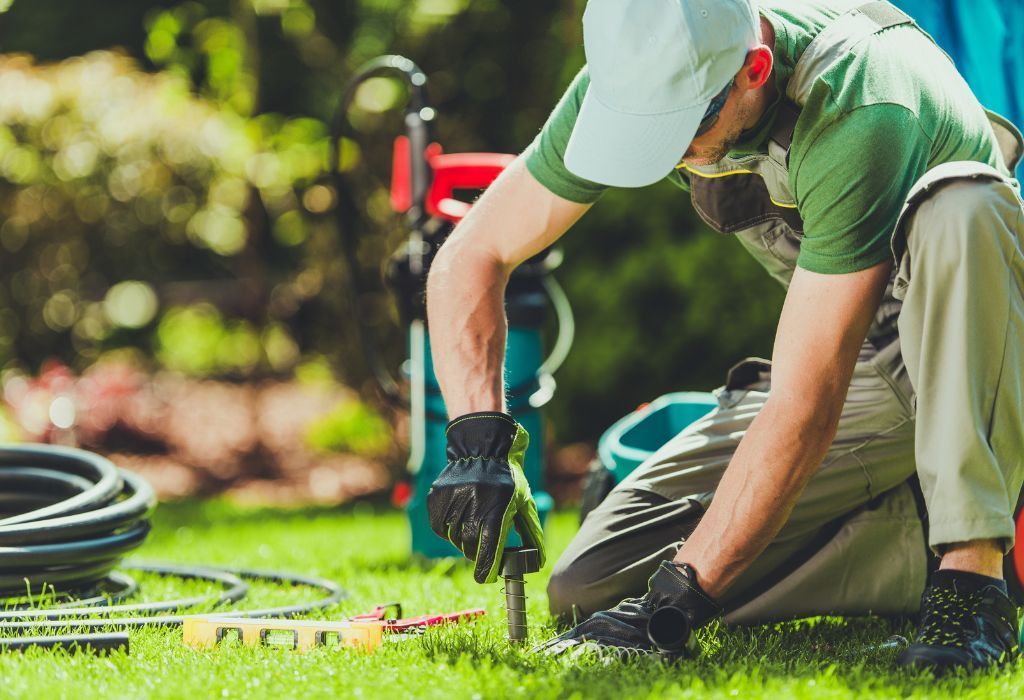
Pay attention to your irrigation system as well.
Broken sprinkler heads, blocked spray patterns, or poor coverage can leave one section dry while another receives too much water.
Walk through the yard while the sprinklers are operating occasionally.
You may discover that what looks like a grass problem is actually an irrigation-coverage problem.
Be Careful About Cutting Grass Too Short
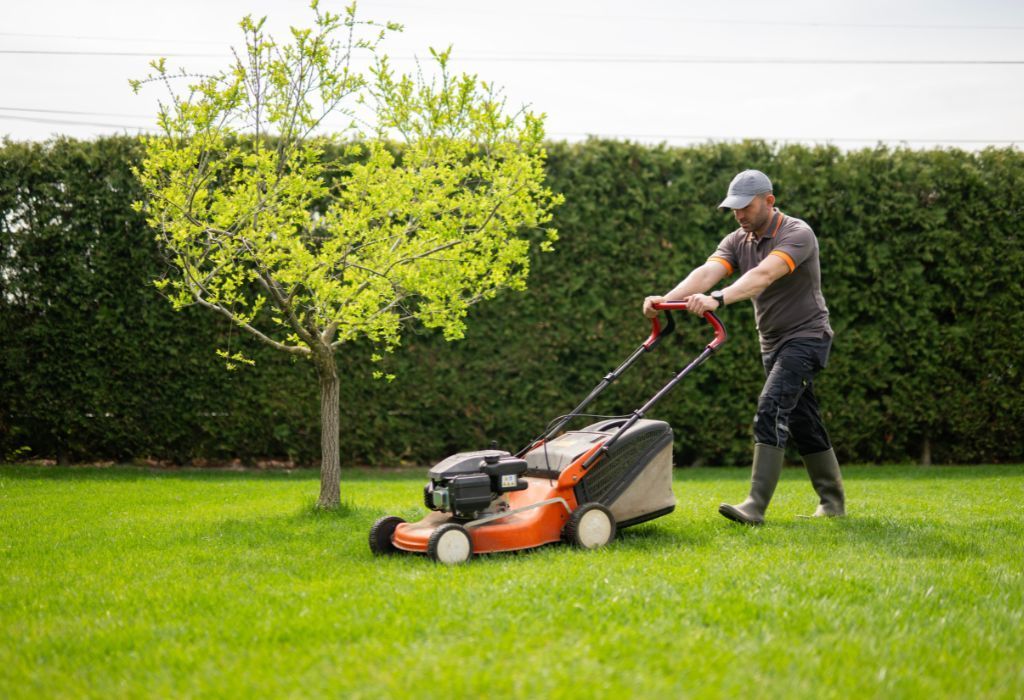
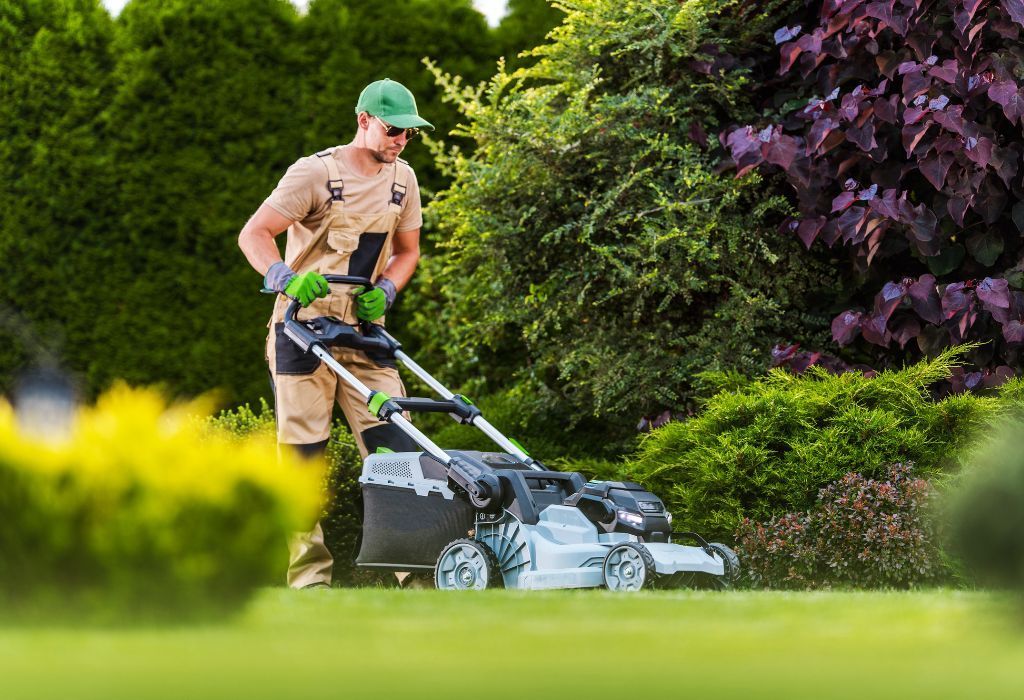
A freshly mowed lawn can look neat, but cutting the grass extremely short isn't always better.
Removing too much at once can put additional stress on the turf.
Instead, use mowing practices appropriate for the grass and growing conditions.
Keep mower blades maintained as well. Dull blades can tear grass rather than making a clean cut, leaving the lawn looking rough.
If your lawn is growing quickly, regular mowing is usually preferable to allowing it to become very tall and then cutting off a large portion at once.
Fertilizer Isn't a Shortcut to a Better Lawn
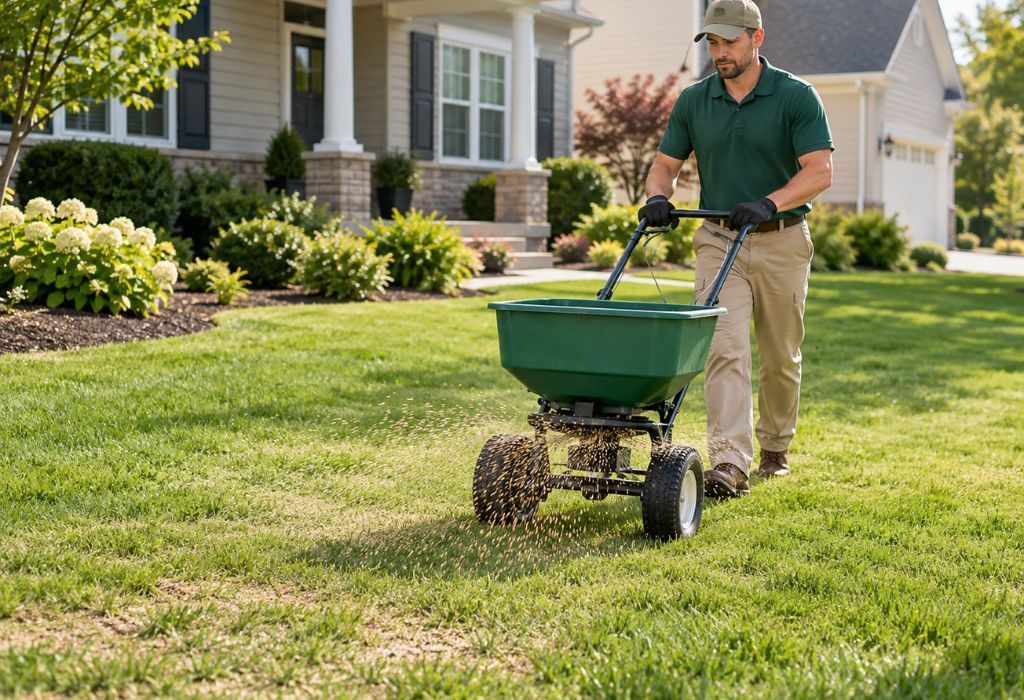
Fertilizer can support healthy turf, but more isn't automatically better.
A lawn needs the right nutrients at appropriate times and amounts.
Applying fertilizer without considering the condition of the lawn can waste product and may not address the actual problem.
Professional
lawn fertilization in Idaho Falls should be approached as part of an overall lawn-care plan rather than as a quick fix whenever grass loses color.
If the lawn is thin because of another underlying issue, fertilizer alone may not restore it.
Why Do Weeds Keep Coming Back?
Pull a dandelion today and another may appear later.
Persistent weeds can be frustrating, but focusing only on the weeds misses part of the bigger picture.
Thin turf creates open areas where unwanted plants have more opportunity to establish.
That's why effective
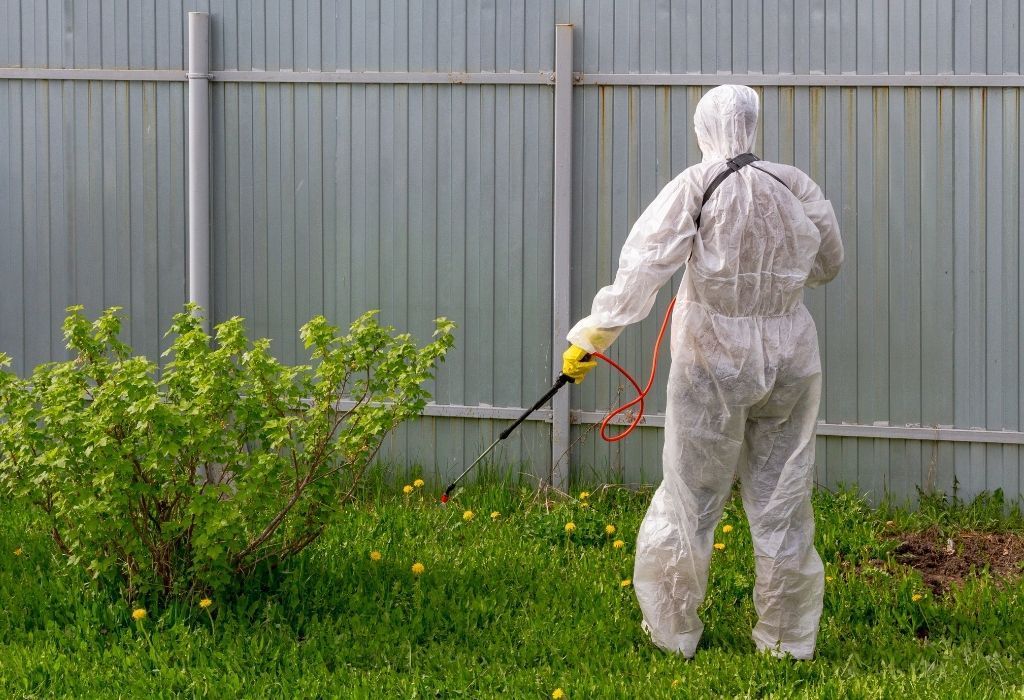
weed control in Idaho Falls, ID can involve both managing weeds and supporting healthier, denser grass.
A stronger lawn can compete more effectively for available space, water, and other resources.
Instead of thinking only about killing weeds, think about why they're finding so much room to grow in the first place.
Don't Wait Until Weeds Cover the Entire Yard
A few weeds are easier to address than a yard that has become heavily overrun.
Check the lawn regularly, particularly during periods when weeds are actively appearing.
If the same weeds return year after year despite your efforts, professional treatment may be worth considering.
Different weeds can also require different approaches.
Randomly applying products without knowing what you're treating isn't the best strategy.
A local
Idaho Falls lawn care professional can evaluate the lawn and recommend a more targeted approach.
What Should You Do About Thin or Patchy Grass?
Patchy grass can have many causes.
Heavy foot traffic, weed competition, seasonal stress, pests, and other conditions can all contribute to areas where grass struggles to stay dense.
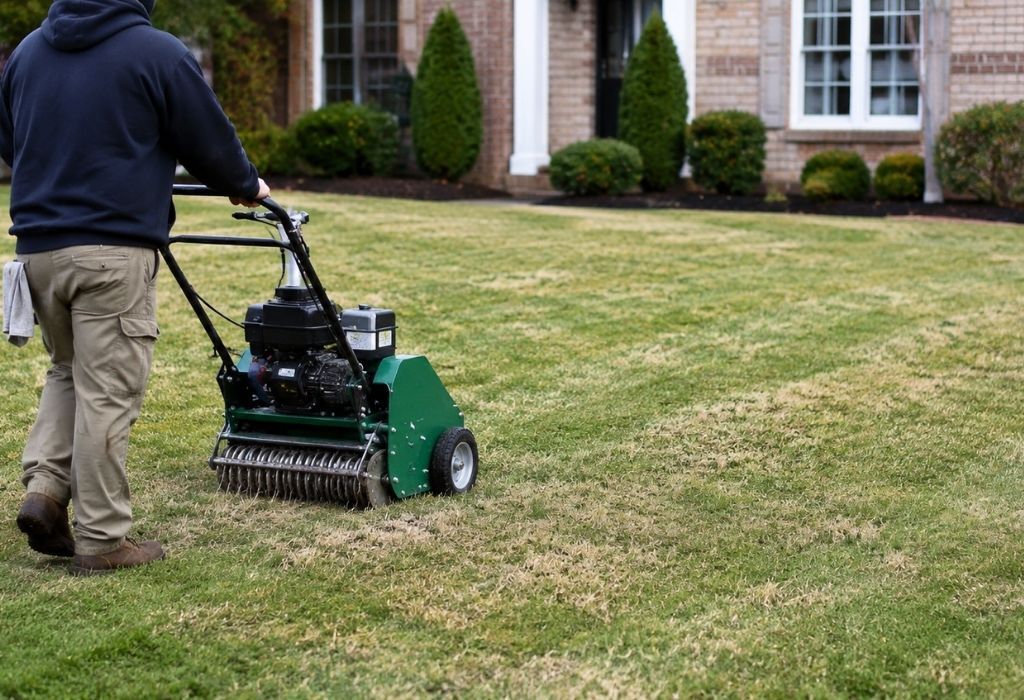
Depending on the lawn, overseeding may be one option for improving thin turf.
Overseeding introduces new grass seed into an existing lawn to help improve density without completely starting over.
However, seed shouldn't simply be thrown onto every bare spot.
The reason the grass disappeared should be considered first. Otherwise, the new grass may struggle for the same reason.
Watch for Signs of Lawn Pests
Not every damaged patch is caused by watering or fertilizer.
Insects and other lawn pests can sometimes contribute to turf problems.
Pay attention to areas that deteriorate unexpectedly or don't respond as expected to normal lawn maintenance.
If you suspect pests, avoid repeatedly applying random lawn products.
Correctly identifying the issue matters before deciding on treatment.
Professional lawn care can help determine whether the problem appears related to lawn pests, weeds, growing conditions, or something else.
Seasonal Lawn Care Matters in Idaho
Lawn care advice isn't universal.
What works in one climate isn't automatically the right schedule for an Idaho property.
Temperature changes and seasonal growing conditions affect when grass actively grows and when certain lawn-care tasks make sense.
That's one advantage of working with a company that provides
local lawn care in Idaho Falls.
Local knowledge can help determine appropriate timing for services such as fertilization, weed control, overseeding, and other treatments based on Idaho conditions rather than a generic national schedule.
When Should You Hire a Professional Lawn Care Company?
DIY lawn maintenance works well for many routine tasks.
Homeowners can mow, monitor watering, remove debris, and keep an eye out for changes.
Professional help becomes worth considering when:
- Weeds keep returning despite treatment
- Grass continues thinning
- Bare areas aren't recovering
- You aren't sure what is damaging the lawn
- Seasonal treatments are difficult to manage consistently
- Lawn pests may be present
- You want an ongoing lawn-care program
- Previous DIY treatments haven't worked
Hiring a professional doesn't mean you stop caring for your lawn between visits.
It means having someone help diagnose problems and manage treatments that require additional knowledge, equipment, products, or timing.
How Do You Choose a Lawn Care Company in Idaho Falls?
Don't choose solely based on the lowest price.
Start by asking what the service actually includes.
A good
lawn care company in Idaho Falls, ID should be able to explain what it recommends and why.
Questions worth asking include:
What problem are you treating?
You should understand whether the recommendation is intended for weeds, nutrients, thin turf, pests, or another issue.
How often will my lawn need service?
Ask whether the recommendation involves one treatment or an ongoing program.
What should I do between visits?
Professional lawn treatment still requires appropriate mowing and watering from the homeowner.
Do you work with lawns in this area regularly?
Local experience matters because growing conditions vary by region.
What results should I realistically expect?
Be cautious of anyone promising an instantly perfect lawn. Grass growth and lawn improvement take time.
Look for a Company That Explains the Plan
You shouldn't have to guess what's being applied to your lawn or why.
A professional should be able to explain the problem, recommended service, and what you need to do afterward.
For example, if your lawn is being overseeded, you should understand how to care for the new seed.
If you're receiving weed treatment, you should know what the service is targeting.
Clear communication is just as important as the treatment itself.
Avoid One-Size-Fits-All Lawn Treatments
Two neighboring lawns can have different problems.
One may struggle with weeds while another has thin turf. One may receive too much water while another has poor sprinkler coverage.
That's why effective
professional lawn care in Idaho Falls should begin with the condition of the actual property.
The best plan isn't necessarily the one with the most treatments.
It's the one that addresses what the lawn needs.
Professional Lawn Care in Idaho Falls and Surrounding Areas
LANDBRiTE provides professional lawn care services for Idaho homeowners dealing with weeds, thin grass, patchy areas, seasonal lawn concerns, and other turf problems.
Services can include
lawn fertilization, weed control, overseeding, lawn pest management, and other treatments designed around the needs of the property.
LANDBRiTE serves
Idaho Falls, Burley, Firth, Pocatello, and surrounding Idaho communities.
Need Help Getting Your Idaho Falls Lawn Back on Track?
If you've been watering, mowing, and treating your lawn but still aren't seeing the results you want, it may be time to find out what's actually causing the problem.
A professional evaluation can help determine whether your lawn needs fertilization, weed control, overseeding, pest treatment, or simply a better ongoing maintenance plan.
Call LANDBRiTE at 208-656-3326 or email
permannbros@landbrite.com to ask about professional
lawn care in Idaho Falls, ID and surrounding areas.